After more than 60 years at the helm of Berkshire Hathaway, legendary investor Warren Buffett has officially stepped down as CEO. Known for his long-term investing philosophy, plainspoken advice, and carefully cultivated public image, Buffett transformed a struggling textile company into one of the world’s most powerful conglomerates. This lesson explores how his approach to investing, leadership, and public trust shaped both his success—and his lasting influence beyond Wall Street.
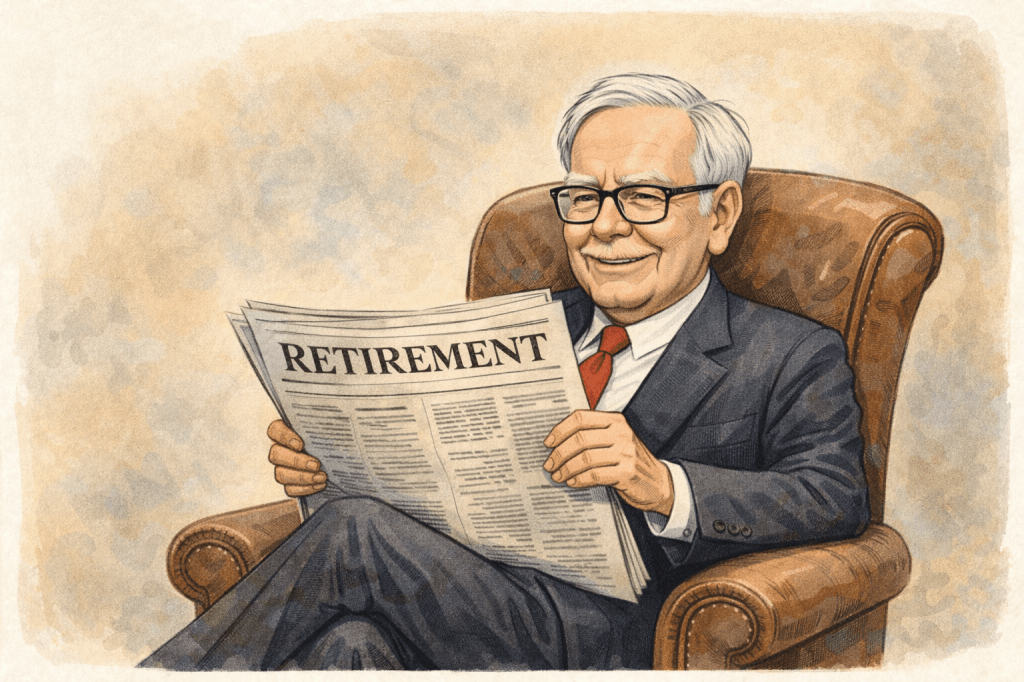
| Warren Buffett officially retires as Berkshire Hathaway’s CEO |
Warm-up question: When you think about successful business leaders, what matters more to you: technical skill, personality, or long-term vision? Why?
Listen: Link to audio [HERE]
Read:
MICHEL MARTIN, HOST:
Warren Buffett is officially retired, as of yesterday. The legendary investor spent more than half a century running Berkshire Hathaway and turning it into one of the world’s largest and most powerful companies. Now, at 95, he’s finally stepping down as CEO. NPR financial correspondent Maria Aspan is with us to tell us more about his career. Good morning, Maria.
MARIA ASPAN, BYLINE: Good morning.
MARTIN: So why now?
ASPAN: Well, as you pointed out, he is 95 years old, and he has had a very long and gradual goodbye. Buffett announced years ago that one of his deputies, Greg Abel, would be taking over for him eventually. And then back in May, he said that the time had come and that Abel would officially become CEO in the new year. And Buffett is stepping down after more than 60 years of accomplishments. I mean, back when he bought Berkshire Hathaway, it was just this failing textile business. He has since turned it into a huge conglomerate. It owns railroads and GEICO insurance and Dairy Queen. And it’s also a powerhouse investor, especially in other quintessential U.S. companies like Coca-Cola and Bank of America and American Express.
MARTIN: Does he have a secret sauce, and if so, what is it?
ASPAN: His gospel has been a sort of common sense, almost basic investing. Do your research. Look for companies that are undervalued. Buy them and hold on to them for a long time. I mean, Michel, it seems kind of quaint in these days of cryptocurrency and private equity investments, but this was some of his typical investing advice in May at Berkshire Hathaway’s annual meeting as broadcast by CNBC.
WARREN BUFFETT: If very stupid things are happening around you, you do not want to participate.
ASPAN: So if you had a hard time hearing that, he’s saying, “if very stupid things are happening around you, you do not want to participate.” And then he went on to say this…
BUFFETT: They hope to find a bigger sucker later on. You just have to forget that that’ll bite you at some point.
ASPAN: This sort of investing approach made Buffett really successful on Wall Street and also pretty famous outside of it.
MARTIN: Could you say a little bit more about why he’s a big figure outside of Wall Street?
ASPAN: Well, first of all, he lives and works far from Wall Street. He’s in Omaha, Nebraska – pretty much in the center of the country. And he created this cult of personality as the so-called Oracle of Omaha. He’s not just a billionaire businessman. He’s a folksy Midwesterner. He’s lived in the same house since 1958. He gets breakfast at the McDonald’s drive-thru. So as important a role as he’s had on Wall Street and in the financial industry, he’s also carved out this elder statesman role in U.S. business and society.
MARTIN: So what happens to Berkshire after he leaves?
ASPAN: Well, shareholders are a little worried. Berkshire stock is up about 12% for the year, but it’s still down from May when Buffett announced his retirement. And he told shareholders in a November letter that he plans to go quiet, sort of, but he still will be chairman, and he will still give out his advice in those public letters. So I think it’s safe to say that Berkshire Hathaway and Buffett’s many fans don’t have to face life without him just quite yet.
MARTIN: That is NPR’s Maria Aspan. Maria, thank you.
ASPAN: Thank you.
Vocabulary and Phrases:
- Deputy: A person who acts as a second-in-command or assistant to a leader.
- Conglomerate: A large company made up of many different businesses operating in different industries.
- Quintessential: Representing the most perfect or typical example of something.
- Secret sauce: A special combination of qualities or strategies that makes something especially successful.
- Gospel: A set of beliefs or principles that someone strongly believes in and promotes.
- Quaint: Attractively old-fashioned or simple, sometimes seeming outdated.
- Sucker: A person who is easily tricked or persuaded, especially in a financial deal.
- Cult of personality: A situation where a public figure is admired and followed because of personal charm rather than just achievements.
- Folksy: Friendly, informal, and down-to-earth in a way that feels relatable.
- Elder statesman: An experienced and respected leader who offers guidance and wisdom rather than direct control.
Comprehension Questions:
- Why did Warren Buffett decide to step down as CEO at this point in his life?
- Who is taking over as CEO of Berkshire Hathaway, and how long has this transition been planned?
- How did Buffett transform Berkshire Hathaway from its original business?
- What core principles define Buffett’s investing philosophy?
- Why does Buffett’s approach seem unusual in today’s financial environment?
- How did Buffett’s lifestyle contribute to his public image outside Wall Street?
Discussion Questions:
- Do you think Buffett’s long-term investing approach would still work for young investors today? Why or why not?
- How important is personal image or “likability” for business leaders in gaining public trust?
- Can a cult of personality be dangerous for companies, or does it provide stability?
- What modern business trends would Buffett likely avoid, based on this interview?
- Have you ever seen someone succeed by not following trends? What happened?
- When leaders step down, should they fully leave—or continue advising as elder statesmen?
 LanguageLeap