As people enter middle age, many begin to notice that drinking alcohol feels different than it once did. A drink that once caused no trouble may now lead to headaches, poor sleep, or stronger-than-expected effects. Researchers say these changes are not just in our heads — they are tied to real physiological shifts that occur as we grow older. This lesson explores why alcohol tolerance declines with age, how these changes affect both men and women, and what small adjustments can help reduce risks and improve overall health.
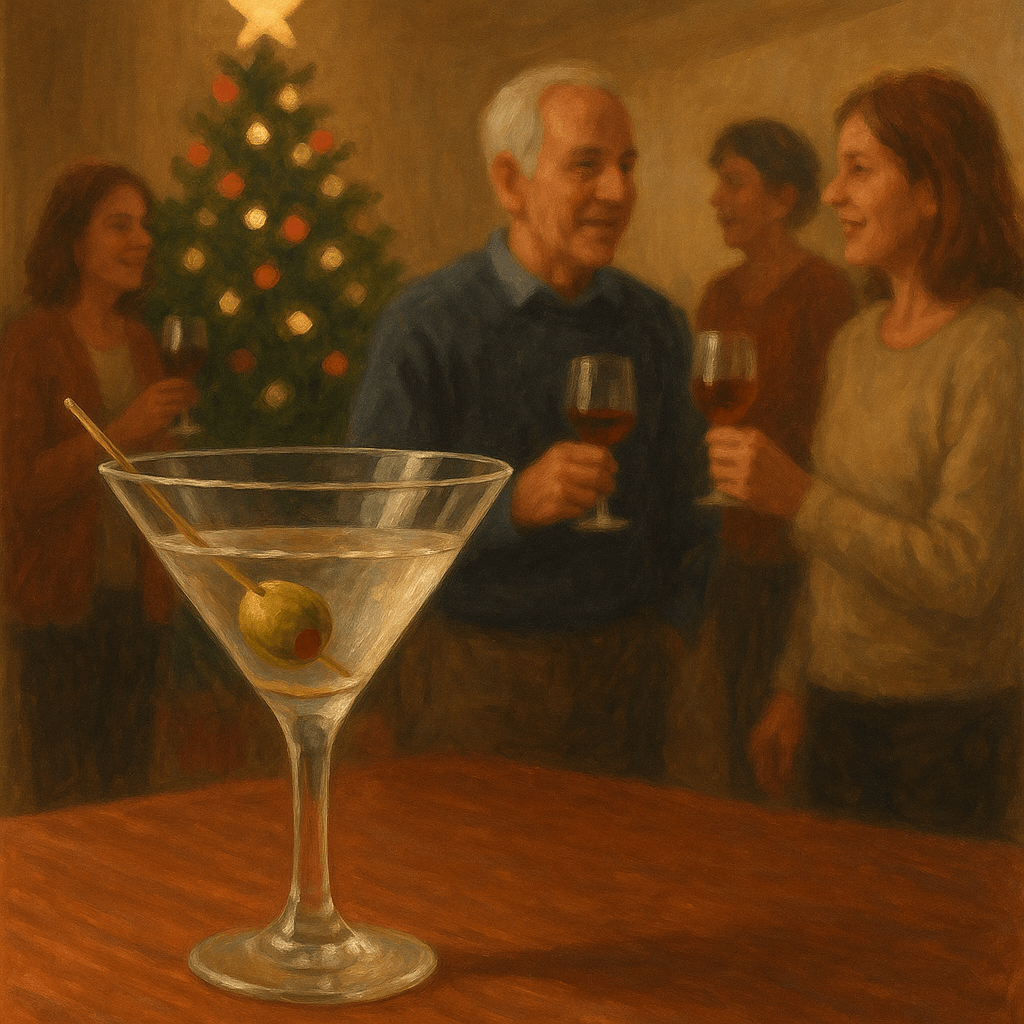
| Does one drink make you dizzy? Why alcohol hits us harder as we age |
Warm-up question: Have you noticed any changes in how your body reacts to alcohol as you’ve gotten older? What differences stand out the most?
Listen: Link to audio [HERE]
Read:
A MARTÍNEZ, HOST:
It’s the holidays, and for many people, that means more parties and more occasions for alcoholic drinks. NPR’s Maria Godoy reports on how alcohol can hit harder as we get older.
MARIA GODOY, BYLINE: Once upon a time, a drink or two went down the hatch with no problems. Now it’s a recipe for misery. Sound familiar? Dr. Monica Christmas of the University of Chicago Medicine says it’s a common lament as people enter middle age.
MONICA CHRISTMAS: You are not alone. I am in that age range, too. And absolutely, it needs to be spread out, or it’s all going to go straight to my head and I will need to sleep half the day away the next day.
GODOY: There are physiological explanations for why our ability to tolerate alcohol wanes with age. For one thing, the liver enzymes that break down alcohol become less efficient.
CHRISTMAS: And so that means that our bodies metabolize alcohol a little bit differently. And we also lose more muscle as we get older, and that muscle is replaced by fatty tissue.
GODOY: That’s important because muscle stores water, which dilutes alcohol in our blood. Having less muscle mass means alcohol will hang around in our bodies longer, says Johannes Thrul. He’s an alcohol and substance abuse researcher at Johns Hopkins.
JOHANNES THRUL: And so what this means is that the same drink that previously maybe felt just fine now leads to a higher blood alcohol level. You feel the effects for longer.
GODOY: These changes happen to both men and women as they enter middle age. But for women in perimenopause, Christmas says alcohol can exacerbate the symptoms that come with hormonal fluctuations, like mood swings and irritability.
CHRISTMAS: Alcohol is already – is known to be a depressant. It can also increase baseline anxiety symptoms. Alcohol can disrupt sleep, too. If you’re already experiencing all of those symptoms, it’s just that much more compounded.
GODOY: While worse hangovers might not sound like a good thing, think of it as your body nudging you in the right direction. Geriatrician Ken Koncilja with the Cleveland Clinic says the risks of drinking alcohol increase with age.
KEN KONCILJA: Things like liver disease, increased risk of diabetes, high blood pressure very much can be exacerbated. Memory problems. Alcohol use can cause dementia.
GODOY: It can also interfere with many medications and lead to balance problems and more falls. And drinking alcohol raises the risk of several types of cancer. Koncilja says he makes it a point to discuss the benefits of cutting back with his patients.
KONCILJA: And these conversations about alcohol use – being proactive with people in their 50s and 60s has huge impact for their health and well-being when they’re in their 80s and 90s.
GODOY: Johannes Thrul of Johns Hopkins says while the healthiest option is to not drink at all, even small changes to cut back can reap health benefits. During holiday parties, he says, try alternating alcoholic drinks with mocktails and drink plenty of water.
THRUL: Why don’t you just give it a try and see how it feels? ‘Cause you might be surprised how good it actually is when you sleep better, you have less anxiety the next day.
GODOY: He says your body will thank you.
Maria Godoy, NPR News.
Vocabulary and Phrases:
- Down the hatch: Said when drinking or eating something quickly or easily; when a drink goes into the body without difficulty.
- Physiological: Related to how the body functions and processes things.
- Wanes: Gradually decreases in strength or intensity.
- Metabolize: To break down a substance in the body through chemical processes.
- Dilutes: Makes something weaker or less concentrated by adding liquid.
- Perimenopause: The period before menopause when hormones begin to change and symptoms may appear.
- Nudge: To gently encourage someone toward a certain action or direction.
- Exacerbate: To make a problem or symptom worse.
- Reap: To receive or benefit from the results of past actions; to gain something positive.
Fill in the Blank Use the correct word or phrase from the vocabulary list to complete each sentence.
- As people age, their ability to tolerate alcohol often __________, making drinks feel stronger.
- The body’s ability to __________ alcohol slows down as liver enzymes become less efficient.
- Because muscle tissue holds water, having less muscle means alcohol is less __________ in the bloodstream.
- Women in __________ may find that alcohol worsens mood swings or sleep issues.
- Doctors say chronic illnesses like diabetes or high blood pressure can be __________ by regular drinking.
- Some people say a drink used to go __________ when they were younger but now causes headaches or fatigue.
- A worse hangover can act as a gentle __________ to cut back on drinking.
- By reducing alcohol intake even slightly, older adults can __________ real health benefits.
- The changes described in the article are __________, caused by natural shifts in how the body works.
Comprehension Questions:
- What common complaint do many people have about drinking alcohol as they reach middle age?
- What physiological changes make alcohol harder for the body to process over time?
- Why does having less muscle mass affect how long alcohol stays in the body?
- How can alcohol impact women going through perimenopause?
- According to experts, what are some long-term health risks of drinking alcohol as we age?
- What strategies are suggested for reducing alcohol consumption during holiday gatherings?
- Why does Dr. Koncilja believe discussing alcohol use early can benefit people later in life?
Discussion Questions:
- Do you think people generally understand how aging changes alcohol tolerance? Why or why not?
- Which health risks associated with alcohol in older adults seem most concerning to you?
- What social or cultural factors make reducing alcohol intake difficult, especially during holidays?
- Have you ever tried switching between alcoholic drinks and mocktails? Did it make a difference?
- What steps do you think individuals can take to build healthier drinking habits as they age?
- Why might small reductions in alcohol consumption lead to significant long-term benefits?
 LanguageLeap