In a significant step toward protecting children online, Australia has passed a law banning children under 16 from using major social media platforms like Instagram, TikTok, and Snapchat. Set to take effect in late 2025, this legislation requires social media companies to implement stringent age verification measures or face hefty fines. While the government argues the law will safeguard children’s mental and physical health, critics question its enforceability, the potential misuse of biometric data, and whether it truly addresses the root of online harm. This lesson explores the implications of this groundbreaking law, the challenges of enforcement, and the broader debate around social media regulation.
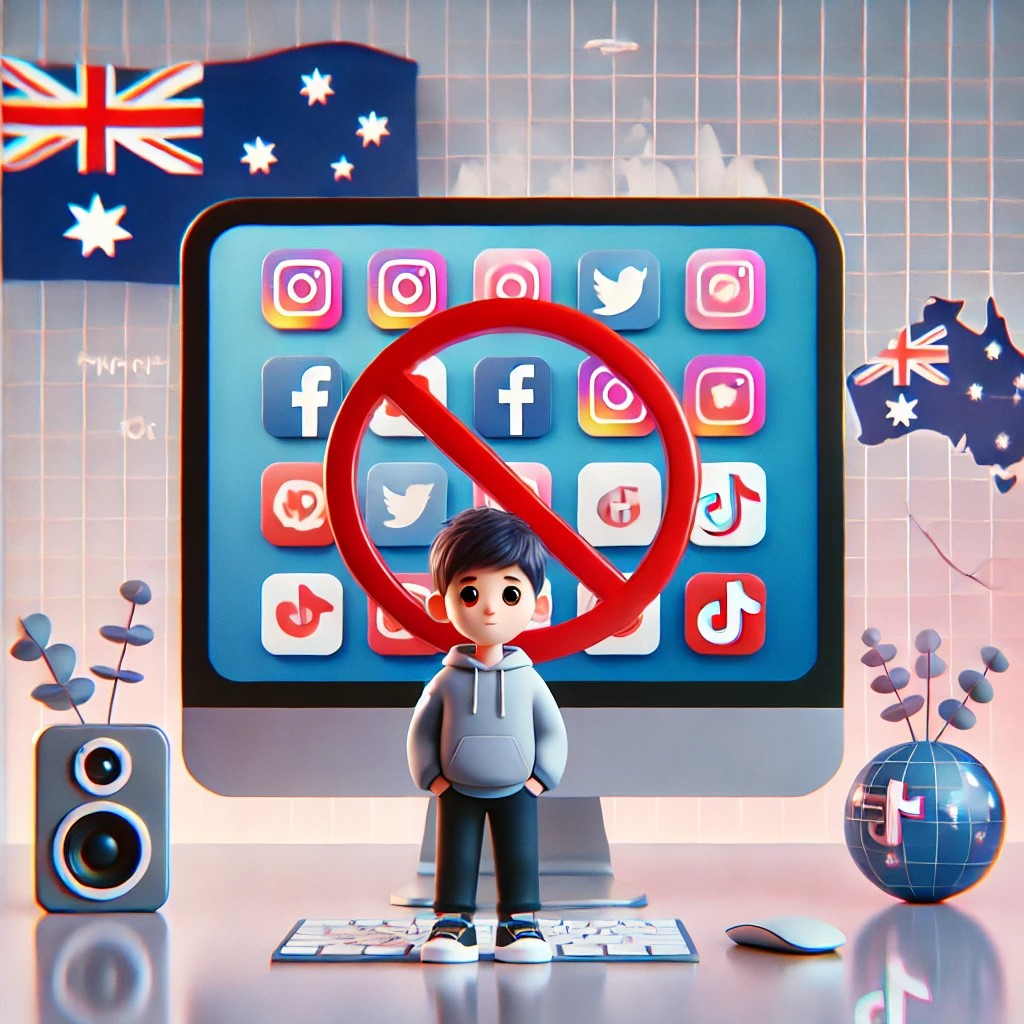
| Australia passes strict new social media bans for children |
Warm-up question: Do you think age restrictions on social media should be stricter? Why or why not?
Listen: Link to audio [HERE]
Read:
ARI SHAPIRO, HOST:
In Australia, children will be banned from using some of the world’s biggest social media sites under strict new laws passed by the country’s Parliament. But as Kristina Kukolja reports, questions remain about how the ban will be implemented.
KRISTINA KUKOLJA, BYLINE: Close to midnight on the last day of the parliamentary sitting year, the Australian Senate passed legislation to ban children under the age of 16 from using social media.
UNIDENTIFIED PERSON #1: Honorable senators, there being 34 ayes and 19 noes, it is passed in the – resolved in the affirmative.
KUKOLJA: The government’s bill passed both houses of Parliament. But during the Senate debate, National Party Senator Matt Canavan was among those voicing doubt.
MATT CANAVAN: We are not sure yet whether this hasty, blunt attempt will do anything to reduce the social harms to children of social media.
UNIDENTIFIED PERSON #2: Hear, hear.
CANAVAN: But what we do know for sure is that we have successfully disillusioned a whole generation of Australians with Australian politics.
KUKOLJA: Other senators said parliament wasn’t given enough time to scrutinize the bill. But from late 2025, social media companies will have to show they’re taking reasonable steps to verify the age of their users and prevent children from having accounts. If they breach the law, they could face millions of dollars in fines. The government says it’s worried about the effect of excessive social media use on the physical and mental health of children. Earlier this month, Prime Minister Anthony Albanese said the ban will protect children’s safety online.
PRIME MINISTER ANTHONY ALBANESE: And this one’s for the mums and dads. Social media is doing harm to our kids, and I’m calling time on it.
KUKOLJA: Reactions to the ban have been mixed, but critics – among them technology experts and human rights advocates – question how it can be enforced and what impact it will have. The government’s testing of age verification technology has also raised concern about the use of biometric data. It’s named X, Instagram, TikTok and Snapchat as affected by the ban. But Susan McLean, a cybersecurity consultant, says it’s not clear how widely restrictions will apply.
SUSAN MCLEAN: What about pornography platforms? What about the AI chatbots, which are diabolically bad for young people? What about chatting games? Then there’s talk about exemptions. Will exemptions become loopholes?
KUKOLJA: McLean says the government should have taken a different approach by addressing the spread of harmful content online.
MCLEAN: And you do this by managing algorithms, by making sure certain content is not available. It’s doable by the platforms. It’s enforceable because it’s pretty easy to work out if the content is inappropriate, and then you could fine them then.
KUKOLJA: Some of the big technology platforms have called for the ban to be delayed, but say they’ll comply with the new law.
For NPR News, Kristina Kukolja in Melbourne, Australia.
Vocabulary and Phrases:
- Implemented: Put a plan, decision, or law into effect.
- Hasty: Done or acting with excessive speed or urgency; hurried.
- Hear hear: An expression used to show strong agreement or approval of what someone has just said.
- Disillusioned: Disappointed because something is not as good as expected or believed.
- Scrutinize: To examine closely and critically.
- Breach: An act of breaking a law, rule, or agreement.
- Calling time: Announcing the end of something; deciding to stop or conclude an activity or process.
- Advocate: A person who supports or argues for a cause or policy.
- Biometric data: Personal information related to an individual’s physical or behavioral characteristics, used for identification purposes, such as fingerprints, facial recognition, or iris scans.
- Diabolically: In a way that is extremely bad or evil.
- Exemptions: Permissions to be excluded from a rule or obligation.
- Inappropriate: Not suitable or proper in the circumstances.
Comprehension Questions:
- What does the new Australian law ban, and when will it take effect?
- Why did some senators criticize the passing of the law?
- What penalties will social media companies face if they breach the new law?
- What concerns have critics raised about enforcing the law?
- What alternative approach does Susan McLean suggest for addressing harmful content online?
Discussion Questions:
- How do you think banning children under 16 from social media could impact their mental health and social development?
- Do you believe age verification technology can effectively prevent underage users from accessing social media? Why or why not?
- What are your thoughts on using biometric data for verifying age?
- Should governments regulate social media platforms more aggressively? Why or why not?
- In your opinion, what is the best way to tackle harmful content online?
 LanguageLeap