After 135 years of shaping the gaming world, Nintendo is opening a museum in Kyoto, offering fans a chance to explore its rich history and iconic creations. From early playing cards to beloved characters like Super Mario and Zelda, the museum showcases Nintendo’s evolution from a small toy company to a global entertainment powerhouse. This lesson explores what the museum offers, the nostalgia it evokes among visitors, and how it reflects Japanese cultural values like omotenashi. Dive into this unique blend of gaming history and culture, and discover how Nintendo continues to captivate new and old fans alike.
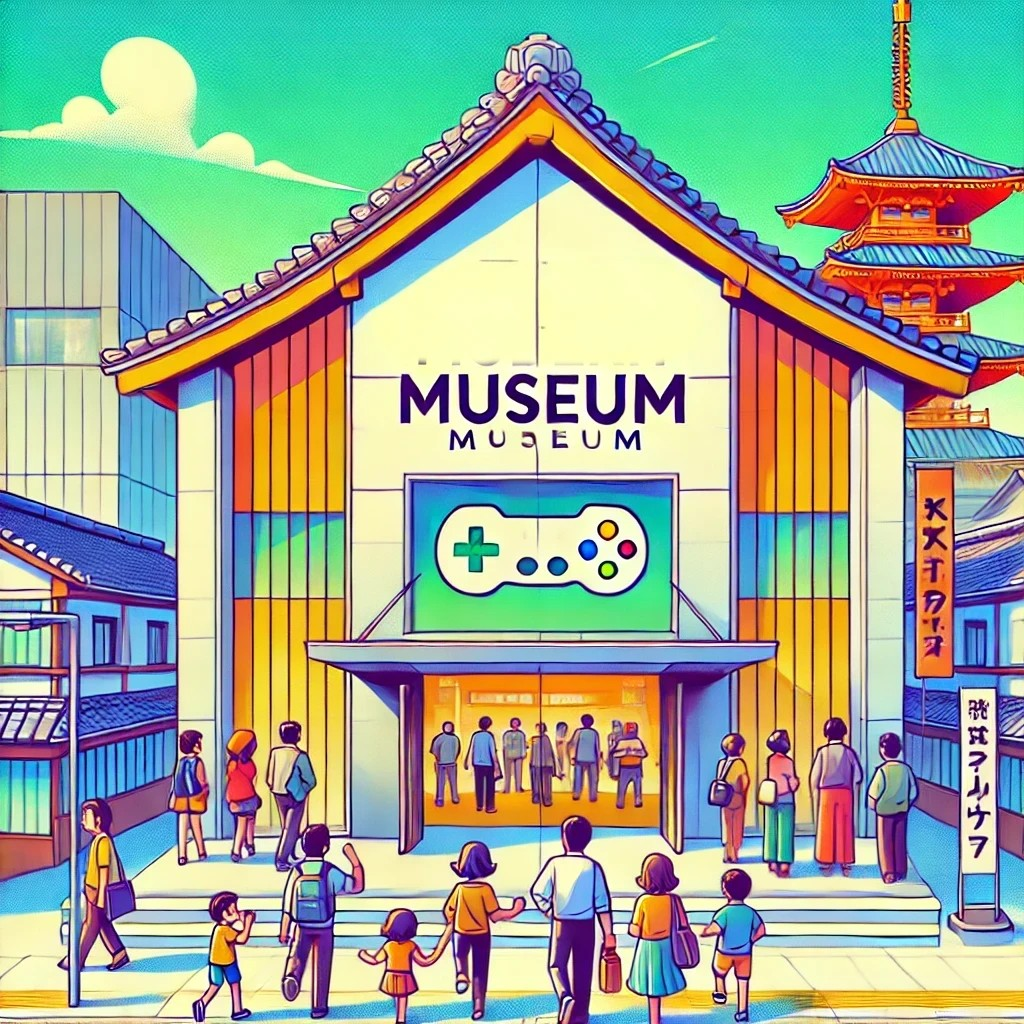
| Nintendo, which has been around for 135 years, is opening a museum in Kyoto |
Warm-up question: Have you ever played a Nintendo game, like Super Mario or Zelda? How did it make you feel, and why do you think these games are still popular?
Listen: Link to audio [HERE]
Read: MICHEL MARTIN, HOST:
You know that tune? I bet you do. It’s the Super Mario Bros. theme. A Japanese company released the game nearly 40 years ago. Since then, Nintendo has become one of the world’s most successful entertainment companies. And tomorrow, Nintendo will open a museum in Kyoto. NPR’s Anthony Kuhn got an early tour.
ANTHONY KUHN, BYLINE: Super Mario, Zelda, Donkey Kong and other Nintendo characters have a new home in a former Nintendo factory. Visitors play Nintendo games on the first floor. They look at decades’ worth of Nintendo consoles and toys on the second. Before the museum opens to the public, Nintendo invited reporters and gaming influencers for a preview. Eduardo Benvenuti is from Brazil, living in Canada. He has a YouTube site about video games.
EDUARDO BENVENUTI: You can see early Nintendo games from the ’80s that look brand-new, in box. That’s really hard to see. I’m very impressed with the prototypes they have here.
KUHN: The museum triggers nostalgia for old Nintendo products among fan boys and girls, including Junna Faley, who posts on Instagram under the name nintendo.grl. Nintendo flew her in from London.
JUNNA FALEY: Anyone who grew up playing any type of Nintendo game or console or anyone who had that in their childhood – they would definitely become emotional, having a look at everything here. It’s just like – it just reminds me of good times.
KUHN: Nintendo got its start in 1889, making Japanese hanafuda playing cards. Their roots as a toymaker means their games focus less on cutting-edge hardware and more on gameplay and fun. But on another level, opening a museum is out of character for Nintendo. The company seldom explains itself, preferring instead to let its products speak for themselves. Nintendo did not allow any of its employees to speak on tape about the museum. Akihiro Saito, a professor at Asia University in Tokyo, says Nintendo’s silence partly reflects the culture of Kyoto, Japan’s cultural and former imperial capital.
AKIHIRO SAITO: The nobility of Kyoto thought that only educated people could understand their culture. It was not something that just anyone could grasp.
KUHN: He says Nintendo’s tight lips are shared by Kyoto’s master craftsmen, who focus on making things, not explaining them. He says both Nintendo’s games and the museum also reflect omotenashi, Japan’s ideal of hospitality and creating a perfect experience for the guest or customer in an understated way.
SAITO: This is the know-how of omotenashi – providing the right help and gently teaching without being pushy.
KUHN: Saito says people should see Nintendo’s games and its museum as exhibitions of Japanese culture, in which words are simplified, as in haiku poetry, and movement is stylized, like noh drama. This culture, he argues, is at the heart of Nintendo games’ global attraction.
SAITO: In the end, everyone mistakenly believes that they play Nintendo games because they want to. But the games themselves are designed to make people want to play.
KUHN: Saito knows Nintendo intimately. He helped direct Nintendo’s Pokemon game. Pokemon is, by some estimates, the world’s most lucrative media franchise. The Nintendo Museum is opening as the company prepares to transition to a new generation of leaders. It’s preparing to announce a new gaming platform next year, and it’s introducing its familiar game characters to new customers by expanding into movies, stores and theme parks.
KUHN: Anthony Kuhn, NPR News, Kyoto.
Vocabulary and Phrases:
- Tune: A melody or song, often one that is easily recognizable.
- Consoles: Electronic devices used for playing video games, like the Nintendo Switch.
- Prototypes: Early models or versions of a product that are created to test and improve before final production.
- Trigger: To cause something to happen or to bring about a particular response.
- Nostalgia: A sentimental longing or affection for the past, often triggered by memories.
- Cutting-edge: Involving the latest or most advanced technology.
- Out of character: Unusual or not typical for a person or organization.
- Nobility: The quality of being noble in character, often connected to dignity or high social status.
- Tight lips: Refers to being secretive or not sharing much information.
- Lucrative: Producing a great deal of profit.
Comprehension Questions:
- What new project is Nintendo working on, and where is it located?
- How does the Nintendo Museum trigger feelings of nostalgia for visitors?
- Why is it considered out of character for Nintendo to open a museum?
- According to Akihiro Saito, how does Kyoto’s nobility influence Nintendo’s communication style?
- How is Nintendo preparing for its future, as mentioned in the report?
Discussion Questions:
- Why do you think so many people feel nostalgia when they play old Nintendo games?
- How does focusing on gameplay instead of cutting-edge hardware help Nintendo stay popular?
- Why might Nintendo keep tight lips about their projects and let their products speak for themselves?
- What do you think makes a media franchise like Pokemon so lucrative?
- Why do you think a company might create prototypes before releasing a new product to the public?
 LanguageLeap