Introduction:
Despite Germany’s sterling reputation for efficiency, the persistent use of fax machines in an era dominated by digital communication stands as a peculiar anachronism. In a country known for its cutting-edge technology and precision engineering, the reliance on such outdated technology may seem paradoxical. This article delves into the reasons behind Germany’s continued preference for fax machines, exploring cultural, legal, and bureaucratic factors that resist the push towards digital transformation. We’ll examine how these machines, once a staple of communication, remain deeply entrenched in German professional settings, particularly within the public sector, and the challenges and implications this poses for Germany’s digital future. Join us as we explore this fascinating juxtaposition of old and new, shedding light on a nation’s struggle between maintaining tradition and embracing change.
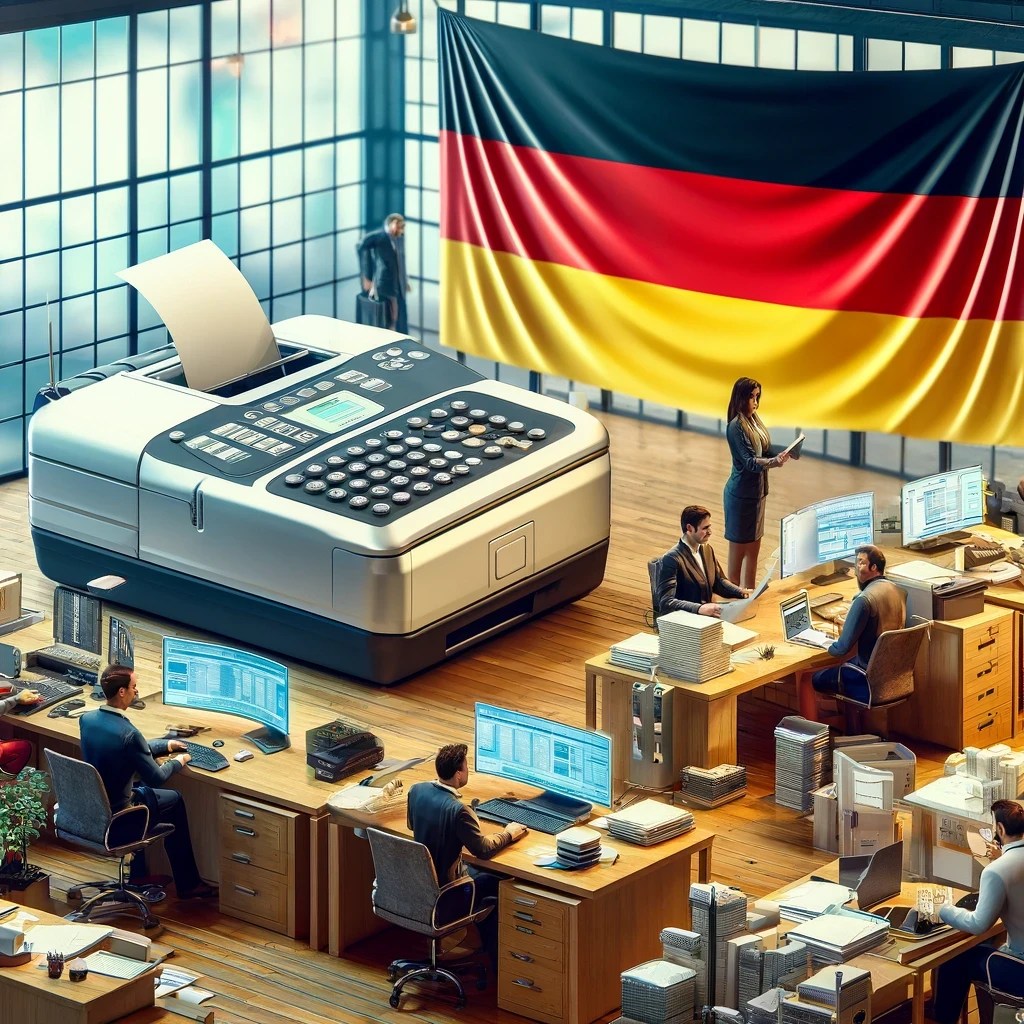
| Germany has a reputation for efficiency. So why do fax machines remain popular? |
Warm-up question:
Do you still use any technology that is considered outdated? Why do you continue to use it?
Listen: Link to audio [HERE]
Read:
ARI SHAPIRO, HOST:
If you think of Germans as impressively efficient, this next story may change your view. Here we are, far into the internet age, and many Germans in important jobs still rely on paper and rubber stamps. Now, in an effort to move into the 21st century, lawmakers have been told to get rid of their fax machines. Esme Nicholson begins her report with an explanation.
ESME NICHOLSON, BYLINE: This is the sound of the ’90s. And like techno, it still resonates in the German capital. For listeners too young to remember, this is a fax machine. A relic that figures say is still in use in 4 out of 5 companies in Europe’s largest economy. Torsten Herbst, parliamentary whip of the pro-business Free Democrats, says it’s worse in the public sector and that joining parliament was like going back in time.
TORSTEN HERBST: When I was elected in 2017, I walked to my office, and there was a fax machine inside. I called the administrator, asking, why did you send me a fax machine? I don’t need it. Oh, yes, you need it. If you want to send an inquiry to the government, use the fax machine.
NICHOLSON: Herbst spearheaded the initiative to get rid of fax machines from parliament. But unplugging the devices is only half the problem.
HERBST: When you send a message with a fax machine, you sign it, and it’s valid. That’s a difference to an email which has not the same status in our legal system.
NICHOLSON: Herbst says the fax machine’s exalted legal position boils down to widespread distrust of anything that isn’t on paper. The result, he says, is excessive bureaucracy, something the International Monetary Fund says Germany must reduce to boost its economy. Political consultant Thorsten Alsleben agrees.
THORSTEN ALSLEBEN: Fifty-eight percent of companies say, we don’t want to invest in Germany because of bureaucracy. That’s worse than taxation, than high energy prices, than anything else.
NICHOLSON: As part of a campaign urging the government to finally digitize officialdom, Alsleben has opened what he calls the most German of German museums, the bureaucracy museum.
NICHOLSON: Among the objects on display is a photograph of a mailbox with the label, please deposit online forms here. Alsleben says there obsession with red tape, which verges on the Kafkaesque, is the result of a risk-averse mindset among public servants.
ALSLEBEN: Government officials, not the politicians – they say, no, no, no. If we reduce this bureaucracy, this and this could happen, and that’s too dangerous. Then everybody is scared and says, OK, no, then we cannot reduce it.
NICHOLSON: For some, though, paperwork means business.
NICHOLSON: Marcus Schulzer runs an office equipment supplier that offers a comprehensive fax repair and maintenance service. He says when it comes to fax machines, it’s business as usual.
SCHULZER: Our customers include hospitals, doctor’s offices, law firms, court rooms – you name it.
NICHOLSON: He even rents out older models to production companies shooting films set in the early ’90s. Newer models are also in demand but not for make-believe offices.
SCHULZER: Last year we received an order from the Berlin police for 60 new fax machines.
HERBST: It’s a fax transmission report.
NICHOLSON: Back at the Bundestag, lawmaker Torsten Herbst checks to see if the Foreign Affairs Committee machine is still connected. It is. He says the last fax he sent was to propose the motion to get rid of parliamentary fax machines.
For NPR News, I’m Esme Nicholson in Berlin.
Vocabulary and Phrases:
- Resonate: To evoke or suggest images, memories, and emotions; to have particular meaning or importance for someone.
- Relic: An object, tradition, or system from the past that continues to exist.
- Spearheaded: To lead an initiative or movement; to be the driving force behind something.
- Exalted: Placed at a high or powerful level; held in high regard.
- Boils down to: To be summarized or reduced to the most essential element.
- Bureaucracy: A system of government or management involving many rules, processes, and paperwork that can be slow and difficult to navigate.
- Red tape: Excessive bureaucracy or adherence to official rules and formalities.
- Kafkaesque: Marked by surreal distortion and a sense of impending danger, often used to describe unnecessarily complicated and frustrating bureaucratic processes.
- Propose: To suggest a plan or idea to be considered.
Comprehension Questions:
- What outdated technology is still prevalent in German offices according to the report?
- What initiative did Torsten Herbst spearhead?
- Why do fax machines still hold an exalted legal position in Germany, according to Herbst?
- What is the main reason companies hesitate to invest in Germany, according to Thorsten Alsleben?
- What purpose does the bureaucracy museum serve according to Alsleben?
Discussion Questions:
- What are the advantages and disadvantages of relying on traditional methods like fax machines in modern offices?
- How can excessive bureaucracy affect a country’s economic growth? Discuss using examples if possible.
- In your opinion, why might some organizations be slow to adopt digital alternatives despite the availability of more modern technology?
- Discuss the concept of “red tape” and “Kafkaesque” bureaucracy. Have you experienced anything similar in your own country?
- What steps would you propose to help transition from old technologies like fax machines to more modern digital solutions in government offices?
 LanguageLeap